How to Attract Birds to Your Yard: Food, Water, Shelter
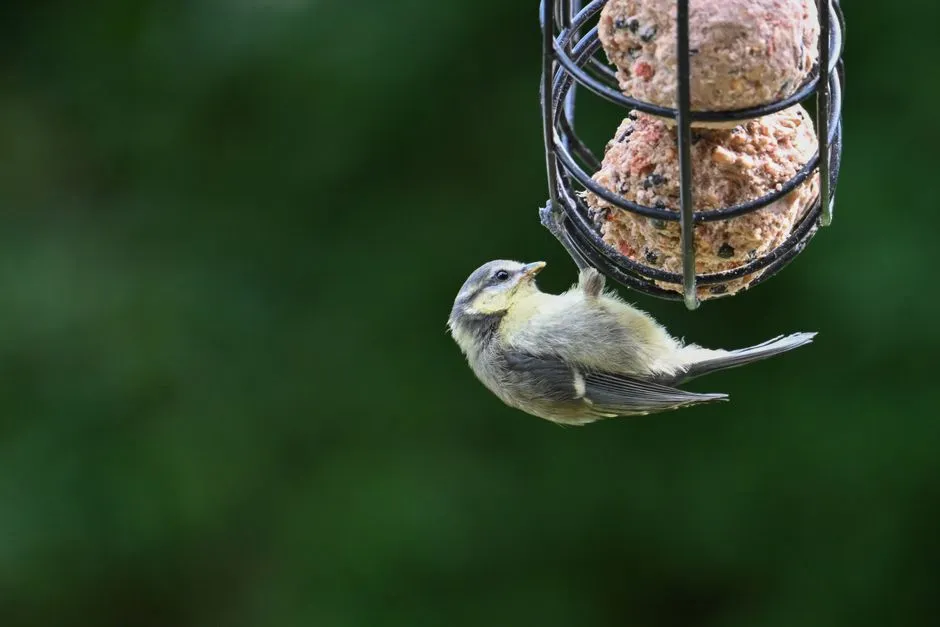
How Do You Attract Birds to Your Yard?
You attract birds to your yard by providing the three things every bird is searching for: reliable food, clean water, and safe shelter. Offer black-oil sunflower seed in a well-placed feeder, add a shallow birdbath you refresh every few days, and leave (or plant) dense cover within a short flight of both. Do those three things consistently and most yards in North America will draw a noticeably wider variety of species within a few weeks.
The order matters less than the combination. A feeder alone pulls in the bold, common species; food plus water plus cover is what brings the shy ones out of the hedgerow. This guide walks through each element, then covers feeder placement, species-specific tips for cardinals and chickadees, and the hygiene habits that keep your feeding station a help to birds rather than a hazard.
Step 1: Offer the Right Food
Food is the fastest lever you can pull, and the single best all-around choice is easy to name.
Start with black-oil sunflower seed
Black-oil sunflower seed attracts more feeder species than any other single food. Its shell is thin enough for small birds like chickadees and finches to crack, and its kernel is high in fat, which is exactly what birds need in cold weather. Cardinals, chickadees, nuthatches, titmice, finches, jays, and many woodpeckers all take it readily.
If you buy only one bag of seed, make it this one. Avoid bargain mixes padded with red milo and cracked corn — many popular feeder birds kick those fillers to the ground, where they sit and spoil.
Match other foods to the birds you want
Once sunflower seed is established, add foods that target specific groups:
| Food | Best for | Feeder type |
|---|---|---|
| Black-oil sunflower | Cardinals, chickadees, finches, nuthatches, jays | Hopper, tube, or platform |
| Safflower | Cardinals, doves; many squirrels and grackles like it less | Hopper or platform |
| Nyjer (thistle) | Goldfinches, siskins | Fine-mesh or nyjer tube |
| Suet | Woodpeckers, nuthatches, chickadees, wrens | Suet cage |
| Shelled peanuts | Jays, woodpeckers, titmice | Peanut feeder or platform |
| Sugar water (4:1 water to sugar) | Hummingbirds | Nectar feeder |
Two cautions worth stating plainly. For hummingbird nectar, use plain white sugar dissolved in water at roughly four parts water to one part sugar — never honey and never red dye. And never feed bread to waterfowl or any wild bird; it fills them up while providing almost no nutrition.
Don't forget natural food sources
Feeders are a supplement, not a habitat. Native plants — coneflowers and other seed-bearing flowers left standing through winter, berry shrubs like serviceberry and dogwood, and the insects that native trees support — feed far more birds than any feeder can, including species like warblers and thrushes that rarely visit seed at all. If you can only make one landscaping change, replace a patch of lawn with native flowering plants and let them go to seed.
Step 2: Add Clean, Shallow Water
Water often out-attracts food, because every bird needs it — including the insect-eaters and fruit-eaters that ignore your feeders entirely.
The formula for a bird-friendly bath is simple:
- Shallow: one to two inches of water at most. Birds bathe standing up; a deep basin is useless or dangerous to small species. Add a flat stone if your bath is too deep.
- Rough-bottomed: birds need footing. A glazed-slick basin gets less use.
- Low or ground-level, near cover: a bath a short flight from a shrub lets a soggy, temporarily clumsy bird escape a hawk or cat.
- Moving, if you can manage it: a simple dripper or small fountain adds sound and sparkle that birds notice from surprising distances.
Refresh the water every day or two in warm weather and scrub the basin whenever you see algae or droppings — a stiff brush and a rinse is usually enough between deeper cleanings. In freezing climates, a heated birdbath keeps water available when it is hardest for birds to find, which is when a bath draws the most traffic.
Step 3: Provide Shelter and Cover
Birds will not linger in a yard where they feel exposed. Cover is what turns a fly-through into a stay.
- Layered plantings. A yard with tall trees, mid-height shrubs, and ground-level plants supports far more species than lawn with a lone feeder pole. Dense evergreens are especially valuable as winter roosting shelter.
- A brush pile. Stack pruned branches loosely in a back corner. It looks untidy and birds love it — sparrows, wrens, and towhees treat a brush pile as home base.
- Leave some mess. Standing seed heads, leaf litter (which shelters the insects many birds eat), and — where it is safe to do so — dead tree limbs or snags for cavity nesters all add real habitat.
- Nest boxes, done right. A properly sized box can host chickadees, wrens, or bluebirds. Match the entrance-hole size to your target species, mount it away from feeder traffic, and clean it out after each nesting season.
One firm boundary: shelter means giving birds options, never luring them into harm's way. Keep cats indoors, and place feeders and baths where birds have escape routes.
Bird Feeder Placement Tips
Where you put a feeder affects both how many birds use it and how safe they are using it.
- Solve the window problem first. Place feeders either within about 3 feet of a window or more than 30 feet away. Close feeders don't allow birds to build lethal momentum before a strike; distant ones keep windows out of the flight path. The in-between zone is the dangerous one.
- Keep cover close, but not touching. Roughly 8 to 10 feet from shrubs gives birds a quick escape from hawks while denying squirrels an easy launch pad onto the feeder.
- Go higher than a cat can jump. About 5 feet off the ground is a sensible minimum, with a baffle on the pole if squirrels or raccoons are persistent.
- Give ground-feeders their own space. Doves, juncos, and many sparrows prefer eating from the ground or a low platform. Scatter a small amount of seed in an open area you can rake clean, rather than letting waste seed pile up under hanging feeders.
- Start with one feeder you can see. A feeder outside the window you actually look through will teach you more birds in a month than five feeders in a far corner. When you spot something unfamiliar, our guide to identifying birds by size, shape, and behavior turns that sighting into a name.
How to Attract Cardinals and Chickadees
These two are the most-requested backyard birds for good reason: both are year-round residents across much of the United States, and both respond quickly to the right setup.
Northern Cardinals
Cardinals are stocky seed-eaters that dislike flimsy perches. To bring them in:
- Offer black-oil sunflower and safflower seed — both are cardinal favorites.
- Use a platform or hopper feeder with room to stand; cardinals struggle on short tube-feeder perches.
- Watch at dawn and dusk, when cardinals most often feed — they are frequently the first and last visitors of the day.
- Keep dense shrubs or tangles nearby; cardinals nest and shelter in thick cover and rarely stray far from it.
Black-capped and Carolina Chickadees
Chickadees are bold, acrobatic, and usually among the first species to find a new feeder:
- Offer sunflower seed, suet, and shelled peanuts.
- Almost any feeder style works — chickadees happily cling to tubes, cages, and mesh.
- Expect grab-and-go behavior: a chickadee takes one seed, flies to a perch to hammer it open, and comes back. In fall they also cache seeds for winter, so traffic can be constant.
- Consider a nest box with a 1⅛-inch entrance hole near tree cover for a chance at a nesting pair.
Once these two arrive, they tend to advertise your yard: chickadee flocks travel with titmice, nuthatches, kinglets, and woodpeckers in winter, so one reliable species often becomes six. Our illustrated guide to common backyard birds covers the full cast you can expect at each feeder type.
Keep It Clean: The Responsibility That Comes With Feeding
A neglected feeder can spread disease through the very birds it was meant to help. The maintenance routine is short and non-negotiable:
- Wash feeders every one to two weeks — more often in wet weather or heavy traffic. Use hot soapy water or a dilute bleach solution (about nine parts water to one part bleach), rinse thoroughly, and dry before refilling.
- Rake up waste seed and hulls beneath feeders, where droppings and damp seed accumulate.
- Discard any seed that is wet, clumped, or moldy. Moldy seed is worse than no seed.
- Take feeders down temporarily if you see visibly sick birds — puffed-up, lethargic, or crusty-eyed — or if wildlife agencies in your area advise a pause during a disease outbreak. Dispersing birds for a couple of weeks slows transmission.
Hummingbird feeders need even more frequent attention: change nectar every few days in warm weather, before it ferments or clouds.
How Long Until Birds Show Up?
Give a new setup two to four weeks before judging it. Chickadees and house finches often appear within days; warier species like cardinals may scout for a while before committing, and water features and new plantings build an audience over a full season. Keep food fresh, water clean, and the routine consistent — birds reward reliability. For more on making your yard a place worth watching, browse the rest of our backyard birding guides.